Cultural Transformation
Culture is the collective behaviour of everyone in the organisation
ARMS Team · 25 October 2026
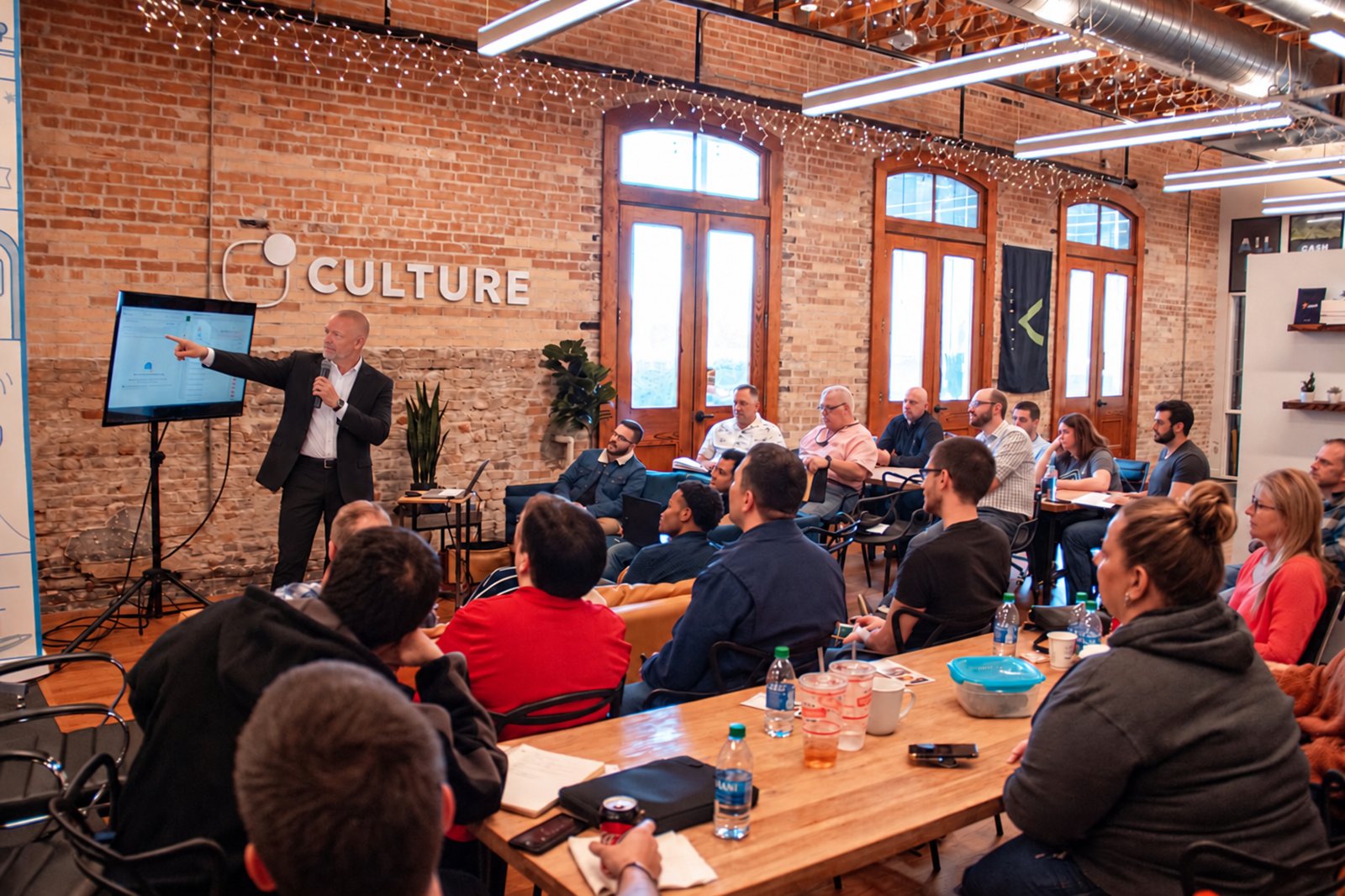
Changing behaviours and especially habits requires a careful process and powerful reinforcement or those behaviours will simply remain wherever there is opportunity
Two critical things are required to achieve a transformation in the safety culture, at every level there must be:
1) a change in attitudes towards risk



2) changes in behaviour






Attitude is the way people feel and think towards safety whereas behaviour is the way they subsequently act. Once we understand the psychology of risk and human nature better it is clear what is required to ensure both a positive attitude AND a positive behaviour, yet these requirements are numerous and connected. A common theme that many attitudes stem from can be described as 'complacency'.
This brief article is written to assist senior management in their thinking and planning moving forwards in terms of both any potential programme including what needs to come next to ensure that there is a sustainable change in attitude and subsequently behaviour, leading to the safety culture transformation that is desired.
When describing safety culture transformation it is important to firstly define its purpose. The purpose of any transformational approach should be to eliminate or at least minimise the existence of risk taking behaviour. Here we are discussing a focus on safety culture but the principles of cultural transformation and the associated benefits apply across all areas of business activity from safety to productivity to quality.
The culture itself is simply the attitudes and behaviours that go on within the environment in question. Behaviour is both influenced by the environment and also the outcomes that one comes to expect from the behaviour. The more positive these outcomes are and the more accepting is the environment then as human beings we develop habits both in our ways of thinking and acting. There are several cultural maturity models used to describe this state, one of the most popular is Berlin Bradley's that he developed as a DuPont employee in the mid 90s.
We know that most accidents are caused by people's unsafe behaviour (approx. 80%). Such behaviour will arise because people are either doing something they were unaware was unsafe or doing something they knew was unsafe but chose to do it in any case – typically believing that 'nothing will go wrong'. Most unsafe behaviours are in fact a matter of 'choice', some so frequent that they simply become unsafe habits.
The challenge in most organisations becomes how to influence firstly a positive attitude and then ensure that the associated safe behaviour is sustained.
An effective cultural transformation strategy will therefore consist of the following key phases:
Phase 1 – Change unsafe attitudes: Develop a site specific approach that is engaging at all levels of the site and tackles the typical attitudes towards risk that are prevalent in safety cultures as described in stages 2 and 3 on the previous model. Associated workshops must be faithful to the principles of behavioural science and the psychological aspects of risk. The examples must associate with and resonate with the sites in question. It is possible to measure through a simple questionnaire the attitudes during the workshops. Showing a safe attitude at the end of the workshop is the measure of success of the workshop for such a programme but it is only the beginning of the effort to transform the safety culture.
Phase 2 – Remove barriers to safe attitudes leading to safe behaviours: To enable the safe attitudes created in phase 1 to translate into safe behaviours it will be necessary to understand the strengths and weaknesses within the current safety culture on the relevant site. It is the main purpose of phase 2 to remove barriers to safe behaviour, things that may prevent the safe attitudes from turning into sustained safe behaviours and therefore safe habits. This is especially important around safety critical behaviours such as those associated with 'Life Saving Rules'. The following areas should be evaluated and improved in order to help create a climate on site where safe behaviour will flourish. Typically this is a consulting exercise with the management for site and where weaknesses exist there has to be a commitment from the organisation to strengthen and improve or risk the safe attitudes achieved from phase 1 diminishing and returning to where they were.
• How effective are leaders on site in supporting / driving safety?
• Are the safety values effectively promoted within the site and associated with top management?
• Are proactive safety measures promoted such as safe behaviours, inspection scores, housekeeping, audit scores etc?
• How effectively is safety performance recognised/celebrated, especially in relation to productivity measures?
• Is performance critically appraised and improvement planning instigated effectively?
• Are unsafe behaviours/accidents dealt with in a 'just and fair' manner by management?
• Are supervisors equipped with effective communication skills to influence their teams on safety?
• Are safety critical behaviours for the site known, defined and promoted? (eg LSRs)
• What indicators are used to describe team/individual performance around safety to motivate effort?
Phase 3 – Measurement, feedback and reinforcement of improved performance: Measurement should be related to the increase of safe behaviour across every level of the organisation from the top site management to the frontline workforce.
The cultural transformation will necessarily include all three of these phases in order to ensure that the drive for change is successful and sustained.