Assessing Culture
Understanding a culture is simple if you ask the right questions of the right people
ARMS Team · 25 October 2026
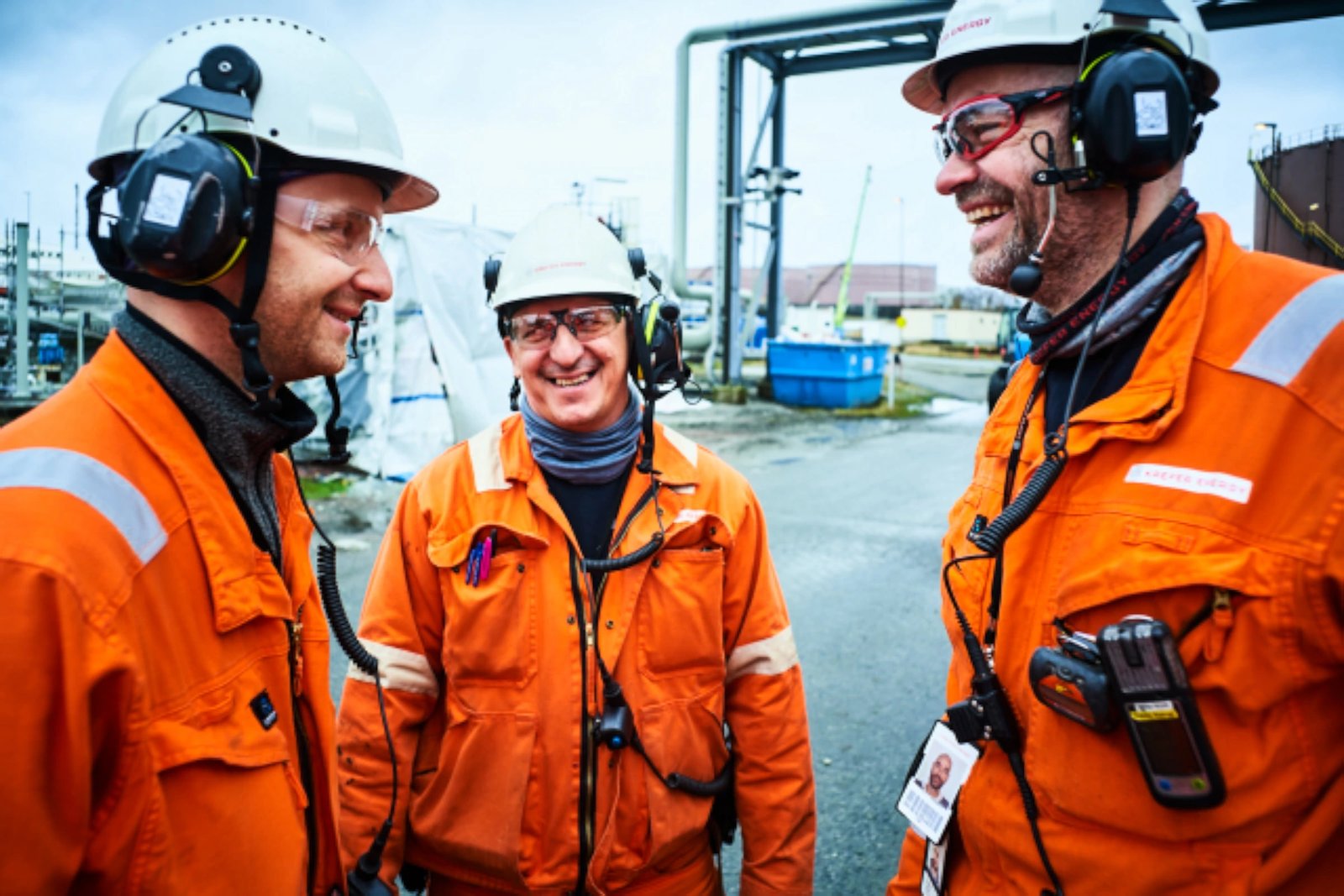
Culture assessment needn't be a complicated process and years of experience have shown us there are some critical things to focus on
ARMS Ltd Assessment Methodology
Six Critical Dimensions
We have carried out many safety culture assessments since 2005 based around six critical dimensions that are clear indicators of the health of a safety culture, as set out in HS(G) 65 (Managing For Health And Safety, published by the UK's Health and Safety Executive).
Safety LeadershipCompetenceCommunicationsCommitmentSafety SystemsMeasurement & Feedback






These six critical dimensions of a strong safety culture are each defined as follows:
Safety Leadership
Assesses perceptions of the extent to which safety is embedded as a leadership value both at the top and down through the organisation. This is reflected in the priority given to safety within the commercial imperatives of the business and the extent to which "leaders", at all levels, model and promote behaviours that are attuned to safe working.
Key assessment: How are leaders from supervision to senior management and key influential workers regarded when it comes to safety?
Competence
Assesses perceptions of the extent to which knowledge and skills, at the individual and collective level, are commensurate with the requirement to work safely within one's own role and environment and make a responsible and informed contribution to the health and safety effort of the business.
Key assessment: Do employees feel they have the capability to deliver safe work?
Communications
Assesses perceptions of the nature and quality of communications both in terms of disseminating safety information and providing positive channels for participation and recognition.
Key assessment: How is safety promoted and performance celebrated?
Commitment
Assesses perceptions of the extent to which the organisational environment has created positive attitudes towards the work activities in general and safe working in particular. This dimension also examines perceptions of risk taking and some of the factors which might encourage such behaviour.
Key assessment: Where does safety 'sit' in the organisation in terms of its perceived value to business compared to productivity?
Safety Systems
Assesses perceptions of the effectiveness, "user-friendliness" and reliability of the systems and procedures which collectively represent the Safety Management System. This dimension also assesses perceptions of the availability of safety tools and equipment.
Key assessment: How easy is it to get things done safely?
Measurement & Feedback
Assesses perceptions of the extent to which measurement, goal setting and feedback systems exist to support continuous improvements in safety, and their perceived value. This dimension also seeks to assess the company's ability to implement corrective action when problems and deficiencies have been identified.
Key assessment: What constitutes good safety and is the organisation proactive or reactive?
Six Key Attitudes
In addition to exploring the six critical dimensions described above we would also explore the prevalence and strength of complacency within the organisation. This is an area that ARMS Ltd has learned through safety cultural assessment that is particularly useful in understanding why performance is not consistent with organisational capability.
There are some attitudes that are very important for setting the right foundations and should be tackled first and foremost when seeking a change in attitudes and the subsequent change in behaviours. To ensure that the change is sustained and becomes engrained within the culture it must then be encouraged and supported within the organisation through ensuring that the six critical dimensions above are strong and effective. It is that cultural context that will prevent and reduce the formation of these undesirable attitudes moving forwards.
The six key attitudes that we need to focus on are identified below. All of the attitudes are classic misperceptions of risk that humans are predisposed to. This has been identified through dozens of organisational safety culture surveys conducted by ARMS Ltd since 2005.
A1. Rules sometimes need to be broken to get the job doneA2. With the correct training people do not take risksA3. Doing something regularly means it's always easier to see the risksA4. It's mainly errors that cause accidentsA5. People only take risks when they think it's not dangerousA6. Sometimes accidents just happen



We would explore these attitudes in the interview process through a semi structured process covering the following questions:
A1. "Rules sometimes need to be broken to get the job done" – Safety can get in the way
How do you feel about the balance between safety and productivity on site? Can there sometimes be conflicts?
What do you think about the way safety rules are written and applied? Does it make the job easier for you to do?
What do you think about the time requirements to complete safety checks, dynamic risk assessments etc before a task starts?
A2. "With the correct training people do not take risks" – I know how to cut corners safely
Do safety critical rules ever get broken on site and if so why do you think that is?
Once you have been trained to do a task in a particular way is it ever ok to deviate from the safe method for what you consider an alternative safe method? If so, why?
When accidents happen do you feel that it is usually people who needed better training? If so, why is that?
A3. "Doing something regularly means it's always easier to see the risks" – My experience means I always know the risks
Would you expect that the more experienced a person is the less likely it is that they take risks?
Do you think that experience means that unexpected hazards or risks become less likely? If so, why?
Are there any tools/techniques that you use on site to avoid being complacent when carrying out a familiar task?
A4. "It's mainly errors that cause accidents" – Mistakes are the main reason things are done unsafely
When accidents happen what do you perceive to be the role that people may have played in them?
If you see unsafe behaviour or do something unsafe yourself do you think it is something that you do in error, ie 'you didn't mean to do it' or is it 'intentional'. Are you able to explain your answer?
How significant is what people do in determining whether an accident happens or not? Do you think it is significant or is it usually some sort of equipment failure or poor system that is the main cause?
A5. "People only take risks when they think it's not dangerous" – Even if I break the rules it's still safe
In your experience is it possible to break safety rules but still be safe? If so, why is that?
If someone deviates from a safety rule but nothing goes wrong what does that tell you about the safety rule?
Does experience always make people better at judging risks?
A6. "Sometimes accidents just happen" – Things just go wrong for NO reason!
Can an accident occur for simply no reason? Can you explain further if you agree?
If people are trained and processes, systems and equipment are all safe will this eliminate accidents in your view or will things still inevitably go wrong at some point?
Do you think luck or even God has a role to play in accidents happening? If so can you explain how?